By speaking about film language we can refer to the technical features -as pacing, editing, compositing and lighting- or the asthetic/thematic, which are going to be developed in this blog entry.
Color
Colors can be a powerful tool to give a message in cinema. It also comes down to a post production process in coloring, but it has also a big paper in the idealization of the scene before recording it.
We can see a clear example of using the color in The Virgin Suicides (1999) by Sofia Coppola. In the scene of the boys the saturation has increased and the clarity is less. It clarifies that the thing that we are going to see is a memory.
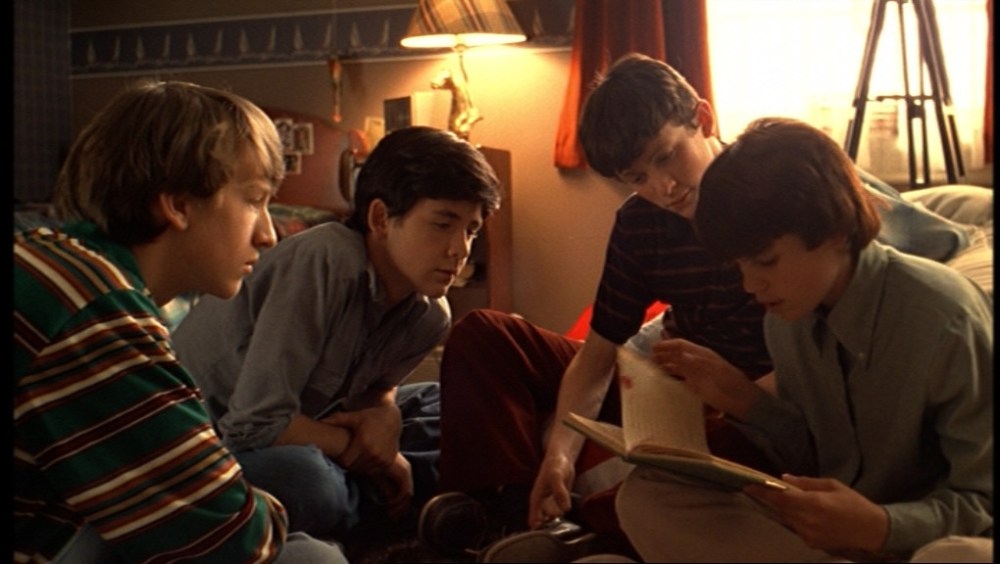 She deliberated changes the color. When they start to fantasize about the girls is creating an even stronger idea of the memory. Shooting on handy cam and adding more texture for memory as it was handy shot, but she is not real, they never spoke to her before.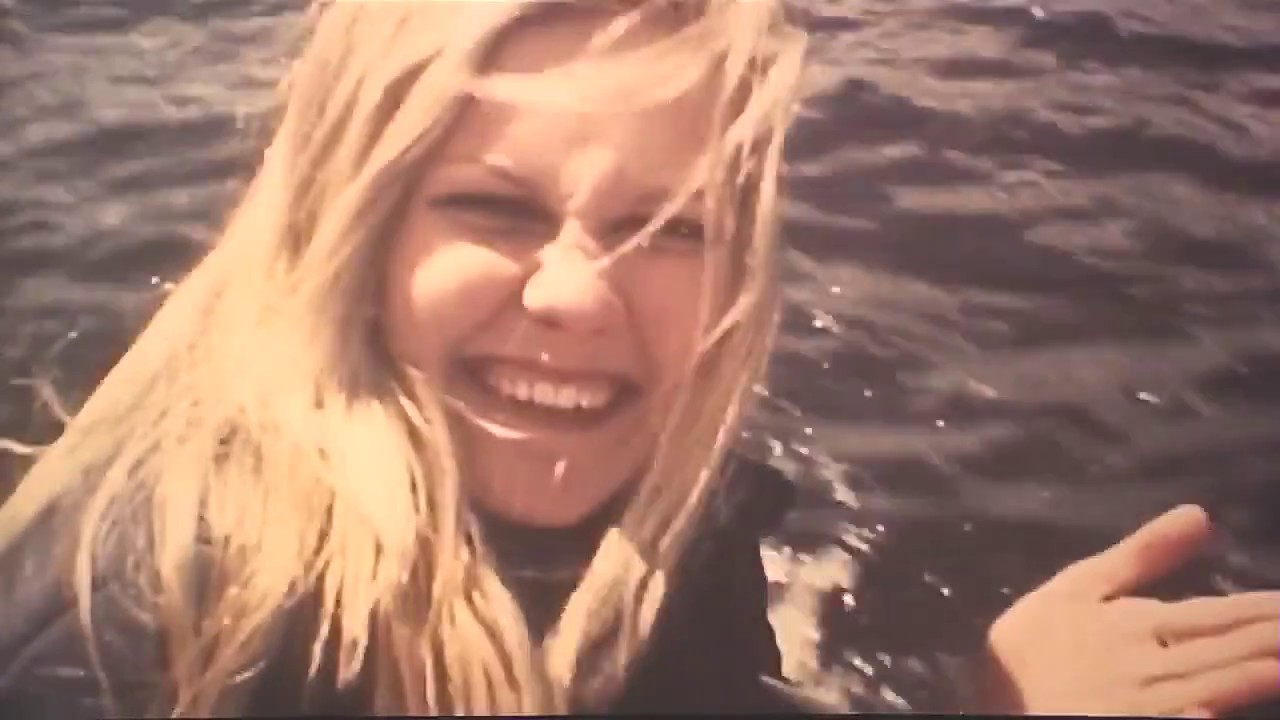
Therefore, we have 3 levels: the reality in the present, the memory in the 70’s, and the fantasy. The cross fade is used to switch into different scenes, because it is a really 70’s aesthetic. This is an example to use the color in time and space.
We can see another way to treat the color in the movie The Cell (2000) by the Indian/american filmmaker Tarsem Singh. Color is something you can use at all times, it has not to be something strictly related to genre, despite it usually is. But he uses the color with total freedom, which makes it much more interesting. He uses color to contrast what is happening in the movie, by having this dense and bright colors. Putting together 2 things that are opposite makes audience uncomfortable and it’s really effective. In this scene, a serial killer is explaining the first time he saw the death.
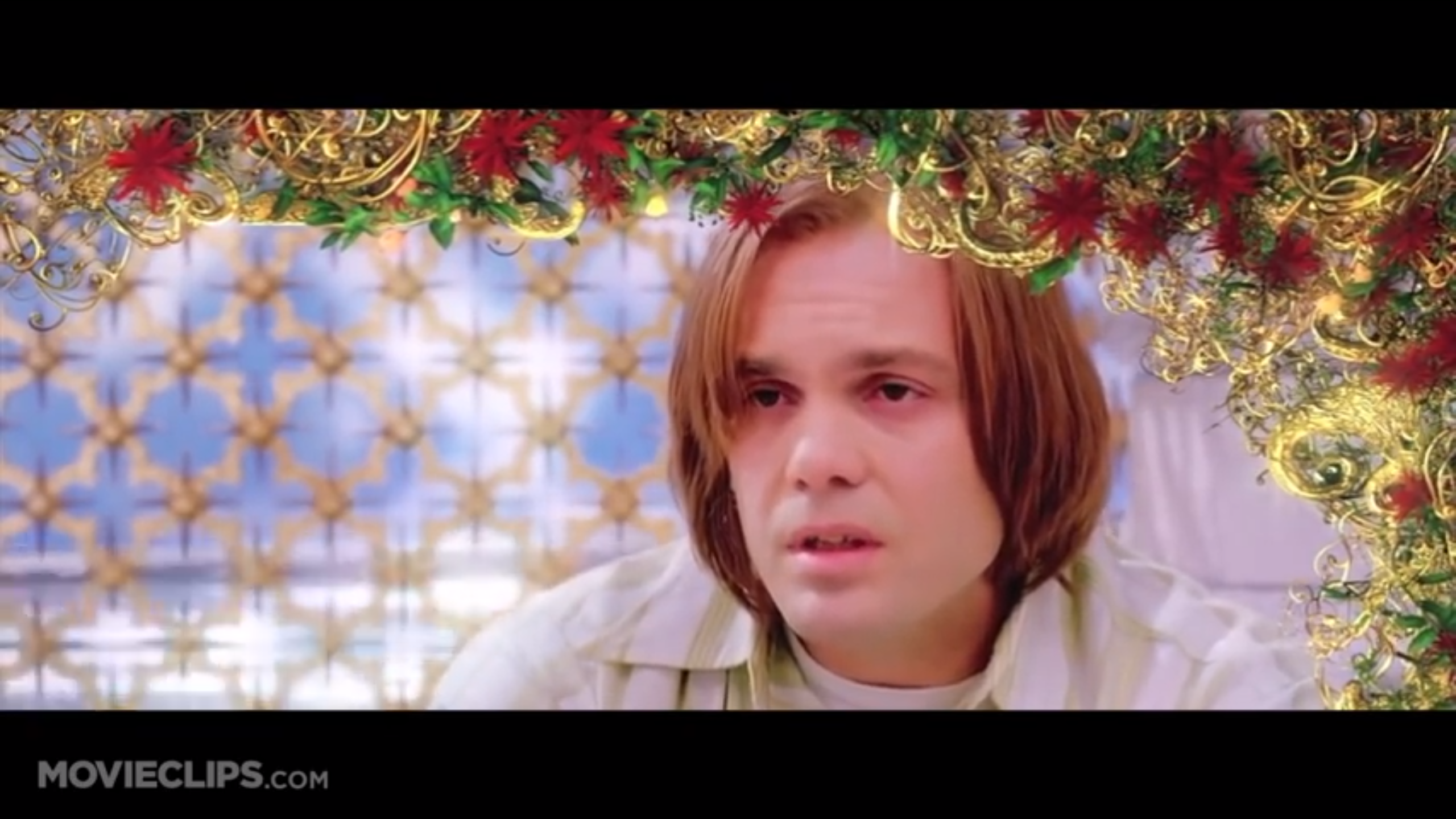 Then, he brings the colors down and changes the color, keeping all in the same sequence.
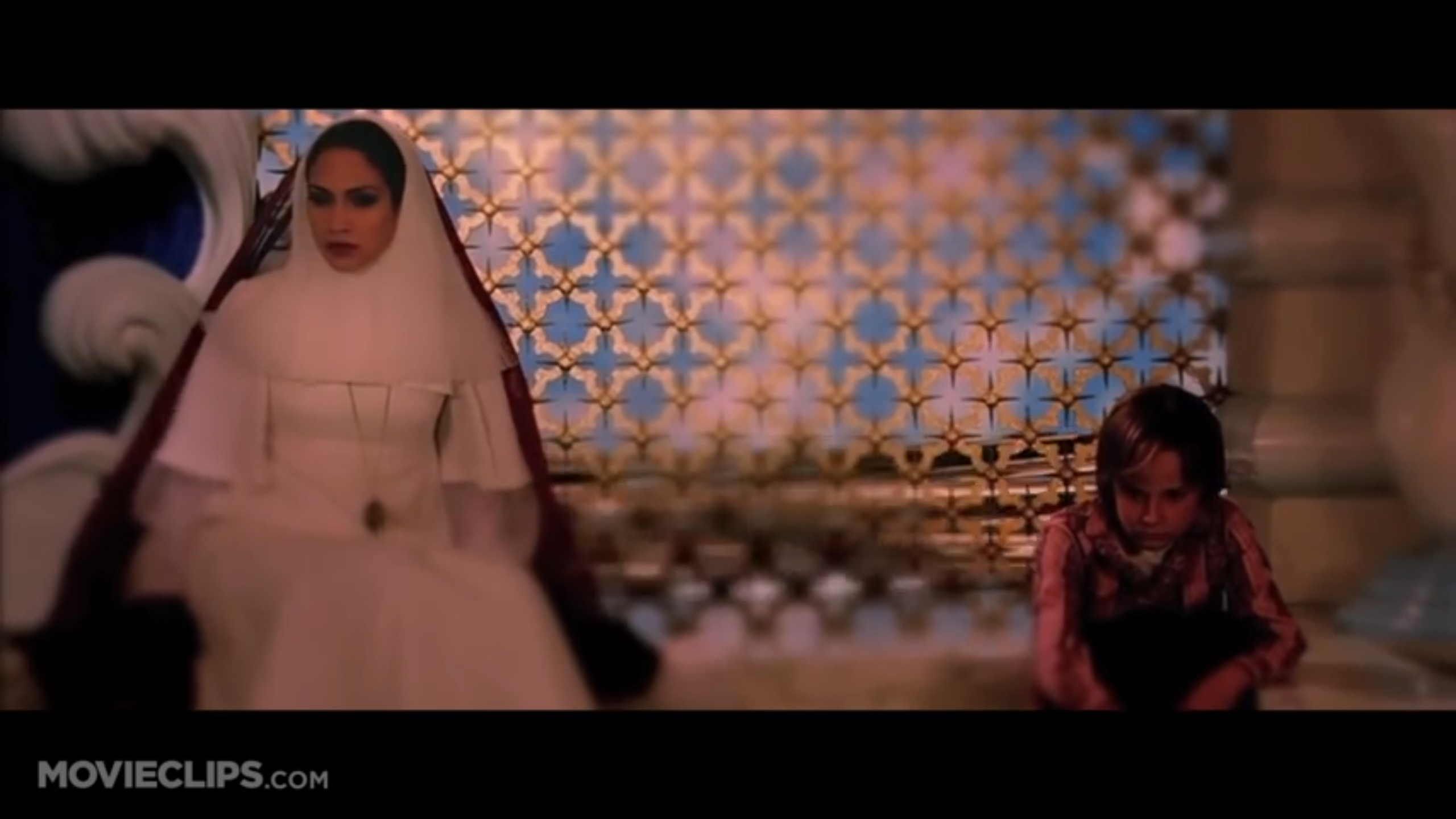
When we think of horror, we imagine lots of shadow, grain, desaturated… Here, he surround the monster in light and color.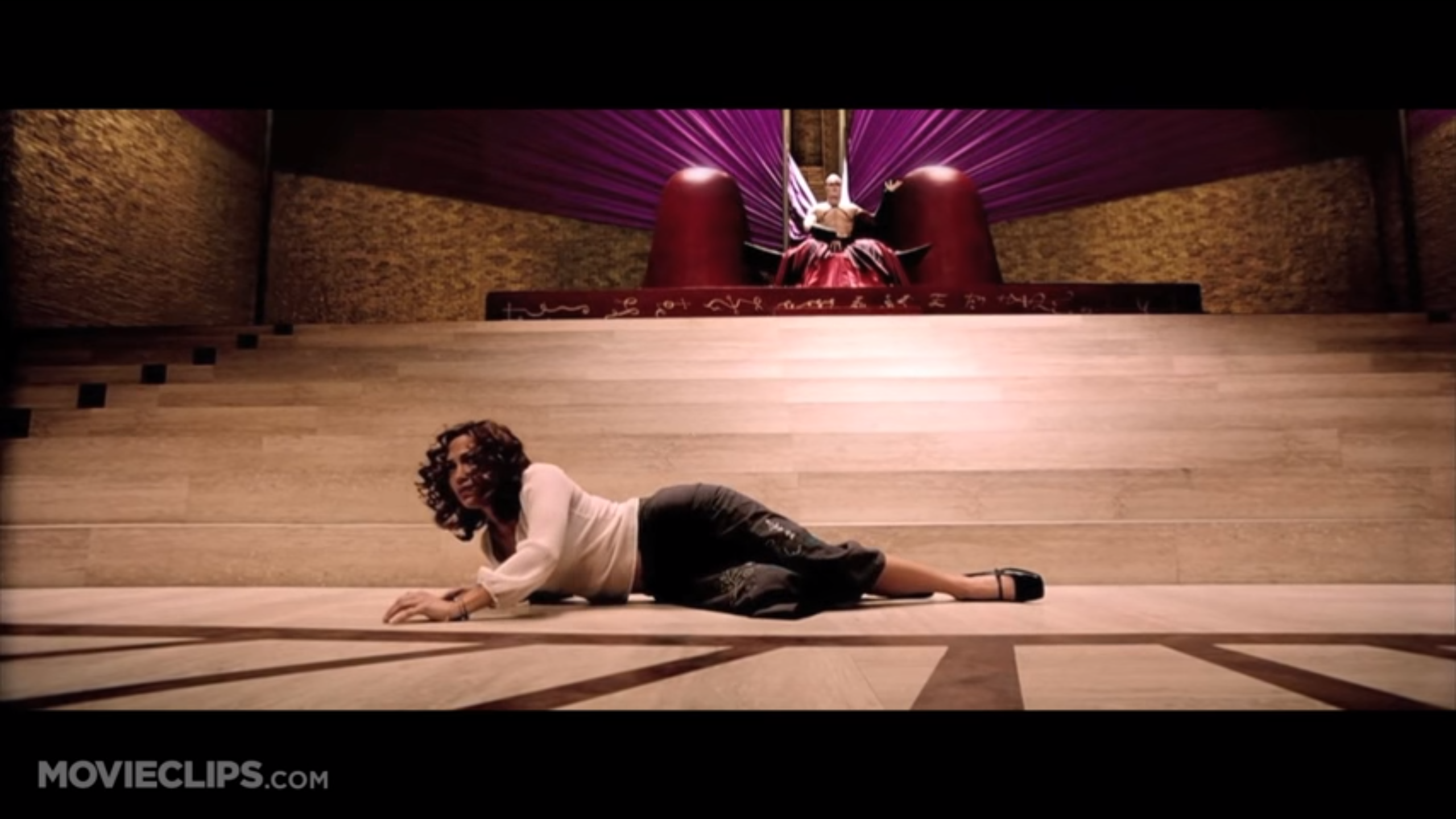
Rhythm
Usually rhythm is confused with editing. Editing is choosing when to transition from one shot to the other one, but when we speak about rhythm we mean the rhythm within a shot, which allows to introduce the next shot in a good way.
A good example of great rhythm is The Grand Budapest Hotel (2014) by Wes Anderson. The rhythm of this movie es incredible fast, and it does not use a huge amount of cutting. If we focus in the movie, we can see that he does not cut the shot in cases in which other people will do it, he uses sequence shot and he marks the rhythm within the shot. He also uses the movement and rhythm to make balance, using vertical movements and pauses.
Lighting
In early cinema, lighting was only a technical tool to make the picture appear on the camera, but it wasn’t used as a narrative element. In Billy Wilder’s Double Indemnity (1944) the light is used as an aesthetic tool and not the general using of floating light everywhere (omni light). Instead of saturate everything in light he starts using it in a more controlled way. Movies like this one, belonging to film Noir genre, are the ones who start playing with the lighting instead of using them just as a technical application. He moves the characters from light into darkness playing with the plot and the character itself, and this was a really effective tool for the audience.
The light in the background helps to create a strong silhouette and contrast, and all of this together helps to create a sense of mystery and tension. This style was copied all over and from Film Noir all this techniques were developed.
Mise en scene
When we speak about Mise en Scene we are referring to the selection of the objects. Is not where you put the chair but what chair do you put and why.
A good example of a great Mise en scene is The Great Gatsby (2013) by Baz Luhrmann.
A good way to recognize a good mise en scene is to pause the video; if that freeze frame makes sense as a still image (like paintings), it probably has a good Mise en Scene. Baz Luhrmann is a questionable director, but has a good conception of Mise en scene, since he has an eve on detail.
The composition is everything that the camera does to give an information top the audience, and it helps us to understand the context of that shot.
If we analyze the movie, we can see how he’s placing the characters together: All the characters are carefully choosen to dress as they do and to be where they are. Then, everything there is in place to create good shot, and that’s difficult to achieve.
Is about thew whole sate design, good colors, circular lines,… That means that, if you have achieved that, wherever you put a camera everything will be effective. That is a conception of film as a form of art. Caravaggio: nothing to add black bg. Also Norman Rockwell: flat bg. The bg is just blue wherever you take the shot is going to work.

 MA Visual Effects