In this session of VFX Fundamentals, we recorded few pieces of footage in order to do a camera tracking.
Camera tracking is a technique which consist in creating a 3D environment out of a 2D footage, recognizing different points of reference in the scene, and following their movement along the timeline. In this way, the program would be able to recognize the depth of the shot, the position of each elements, and the moving of the camera.
As we already know, the better footage we have the easier and more accurate our work would be. Therefore, in order to have good footage to track, we would need to take care of different aspects:
- Make sure that our scene has a lot of depth of field and everything is sharp. If that is not possible, we will need to ensure that at least the area we are going to work with – by adding a protection or roto- is sharp.
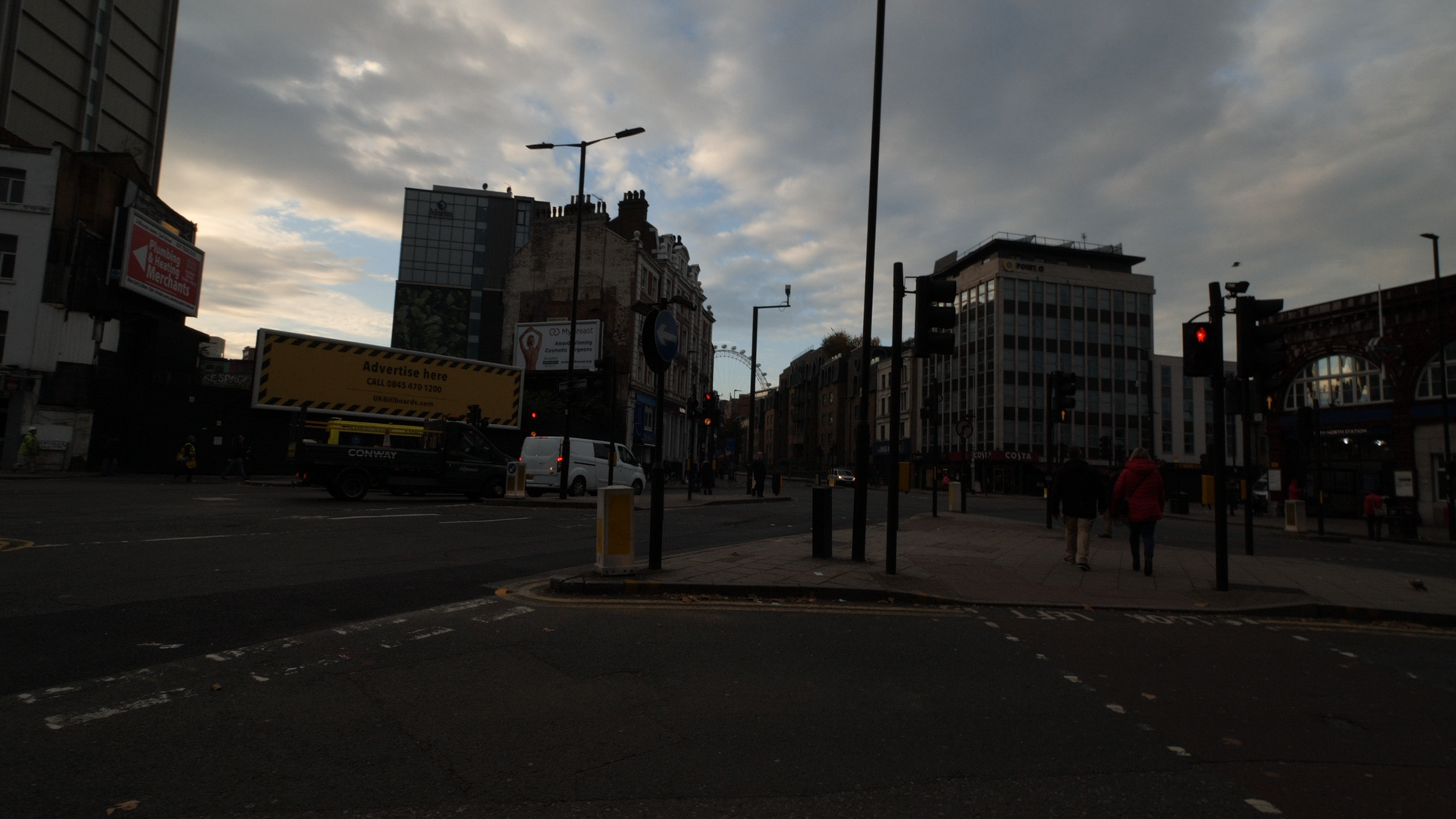
- Keep a good contrast and exposure. If the footage is overexposed, we can lose a lot of detail making certain areas impossible o track. It happens the same if is underexposed, the limits between the elements are going to be harder to recognize by the program. Therefore, we should ensure the scene is lighten properly and the camera parameters are settled correctly with a good exposure, trying to keep the photographic histogram as wide as possible to have contrast. The contrast will help in order to clarify the edges and limits between the objects, and so they will be easier to be tracked.
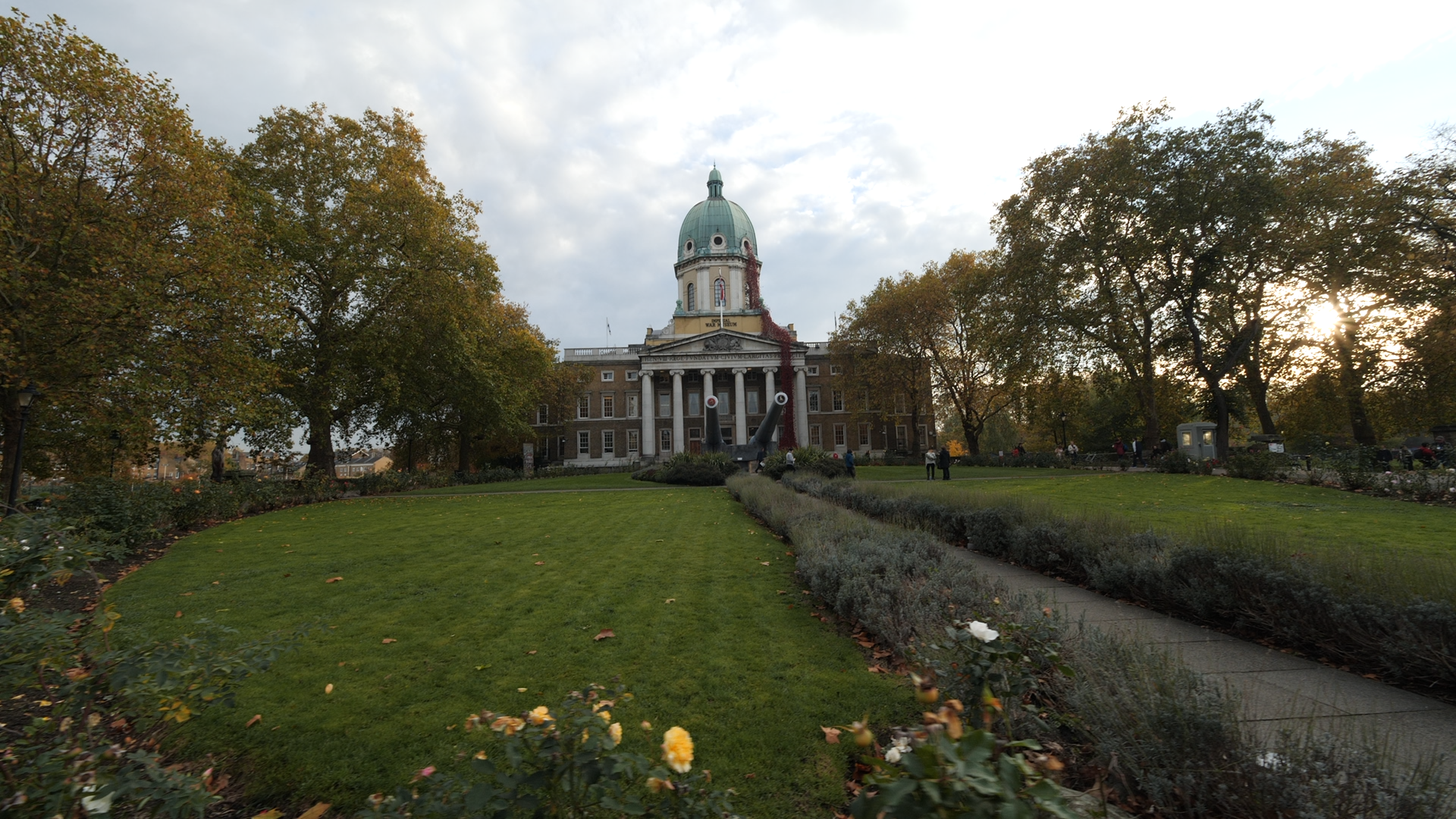
- Ensure that we have parallax, that is to say, different layers of objects in the composition. This is essential if we want to create a 3D environment, because if the objects are all located in the same distance of the camera, it will be the way more difficult to create a 3D environment out of that.
- We should take a shot which contains the more number of static objects as possible. We will need those static objects in order to have tracking points, so if we do not have static objects in our composition il will be impossible to track any camera movement. The objects that work the better for this techniques are the not-organic shaped and the straight-lined, because they are more likely to have defined limits. Therefore, we should avoid organic shapes as a main tracking element, specially trees or plants, since their leafs can move with the air and that movement can be confused with the movement of the camera.
- Try to avoid any moving elements like cars, birds, or people walking, for example. We will only need static elements in order to make the tracking of our scene, therefore, we would need to roto out all elements which have movement by themselves. Otherwise, the movement of this elements can be recognized as the movement of the camera, and the tracking won’t be effective.
- Be aware of the reflections. If any moving element is reflected in another surface, we will need to roto also that reflection out. Also, if we want to do a projection on a surface which is reflected, we will need to do that projection also in the reflected area. This means that with reflections we might need to have the twice of the work, so it would be better to avoid them.
Finally, we recorded few footages in order to work with them. We recognized that some of them were really hard to work with, for example this one, becouse of the underexposure:
Or this one, for the lack of parallax and the amount of organic shapes:
Finally, we worked with two of the footages. The workflow and the final result of both camera trackings can be seen in this and this entry of the blog.


